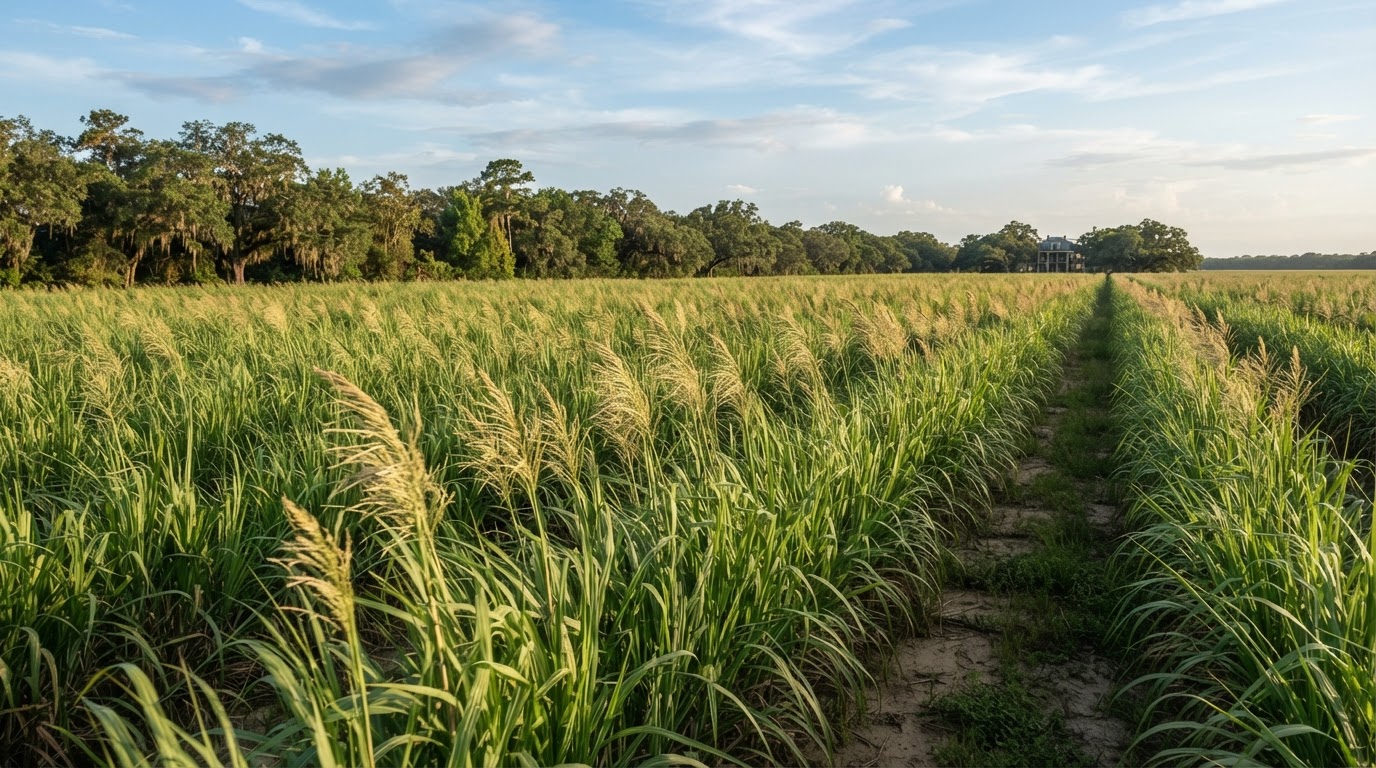
The Sweet History of Sugar Cane in Vacherie, Louisiana
Vacherie's sugar cane fields fed a nation — and shaped the lives of everyone who worked them.
Drive through Vacherie today and you'll pass field after field of tall, tasseled sugar cane swaying in the Louisiana breeze. The crop has defined this stretch of the Mississippi River for more than two centuries.
By the early 1800s, planters like Guillaume Duparc had turned the rich alluvial soil into a sugar empire. The cane was cut by hand, crushed in mills, and boiled down in towering kettles — backbreaking work performed largely by enslaved laborers.
After the Civil War, the industry shifted to sharecropping and then to mechanized harvesting, but the crop never left. Laura Plantation, one of the stops on our tours, still tells the story of how a Creole family built and rebuilt a fortune on this stubborn, sweet grass.
Today's cane is harvested in the fall, and if you visit during the season you can sometimes catch the burnt-caramel smell of the fields. It's a living reminder that the history we tour is never really in the past.
More in Plantation Tours
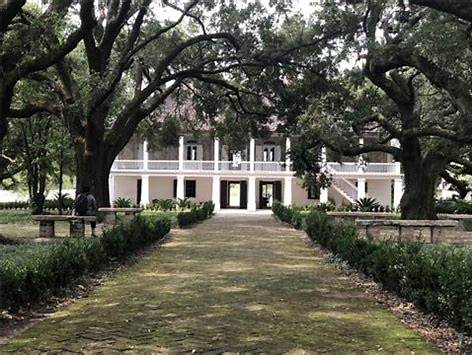
Whitney Plantation
America's first slavery museum asks visitors to look squarely at the people behind the grandeur.
Read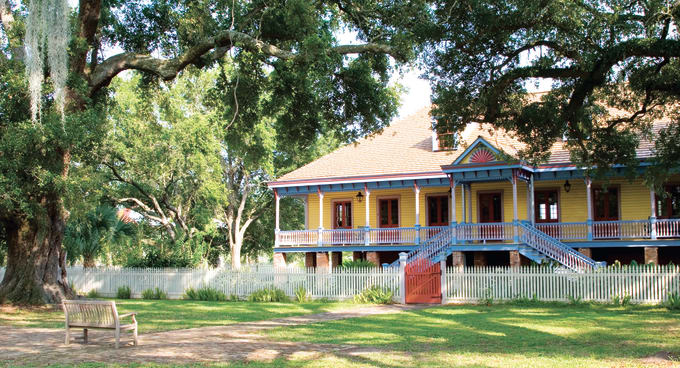
Laura Plantation
Four generations of a Creole family, told through the memoirs of a woman who walked away from it all.
Read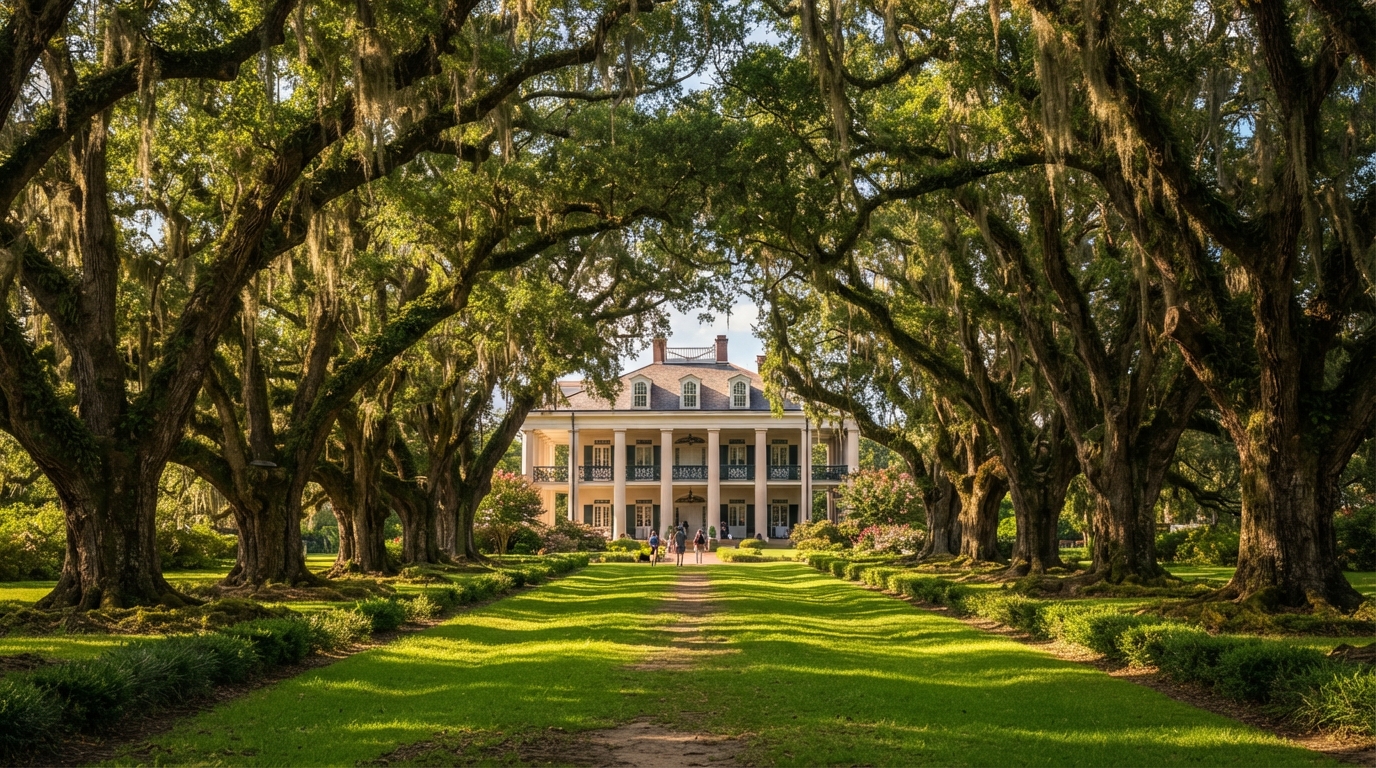
Oak Alley Plantation
The avenue of 28 oaks is iconic — but the real story runs deeper than the photograph.
Read